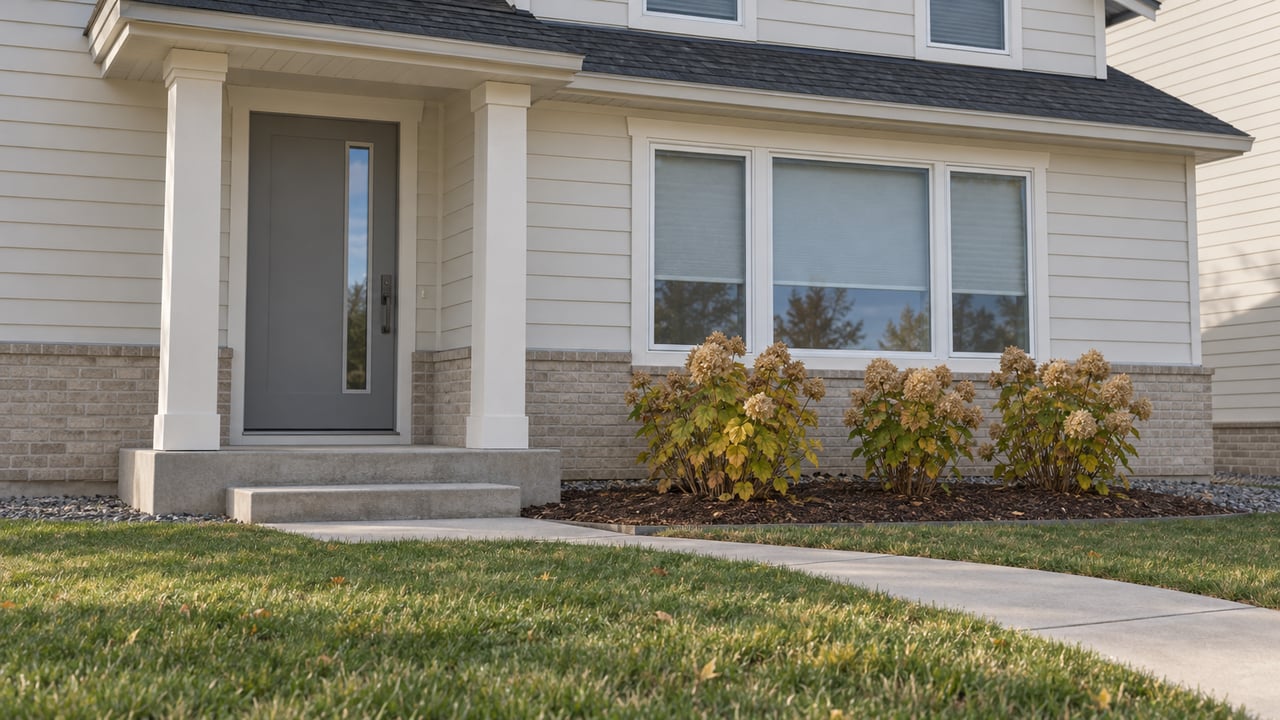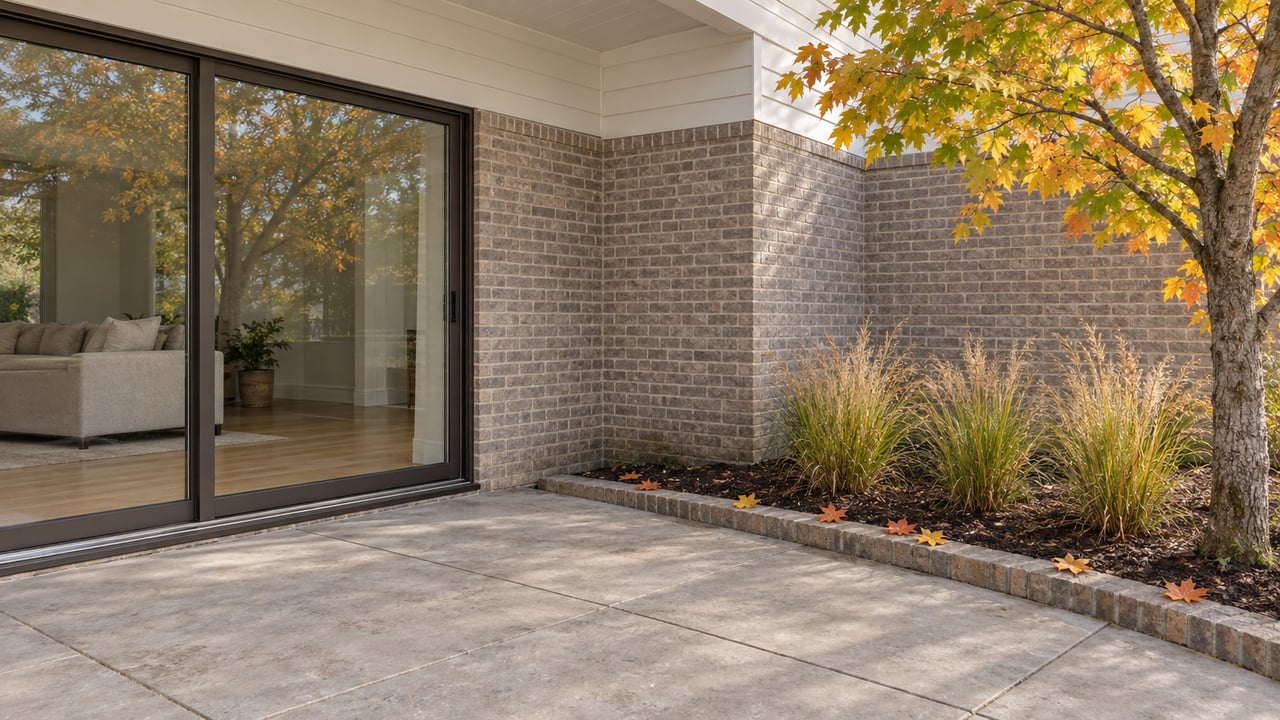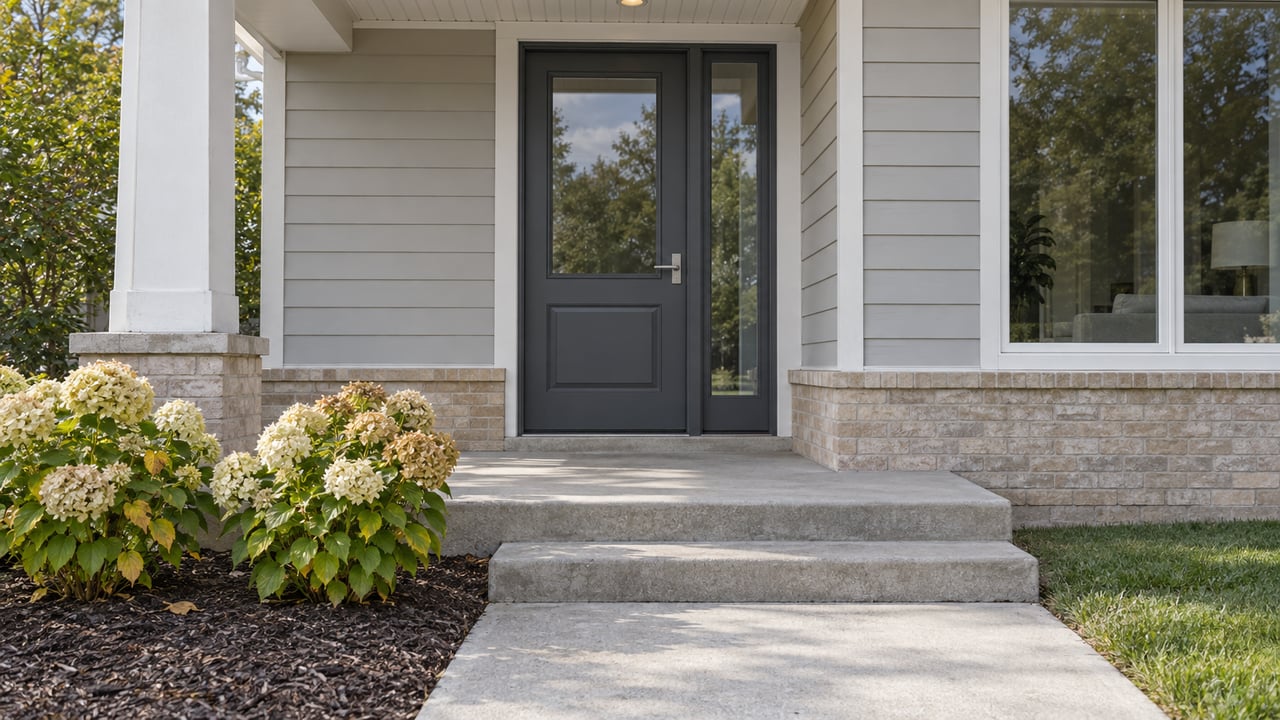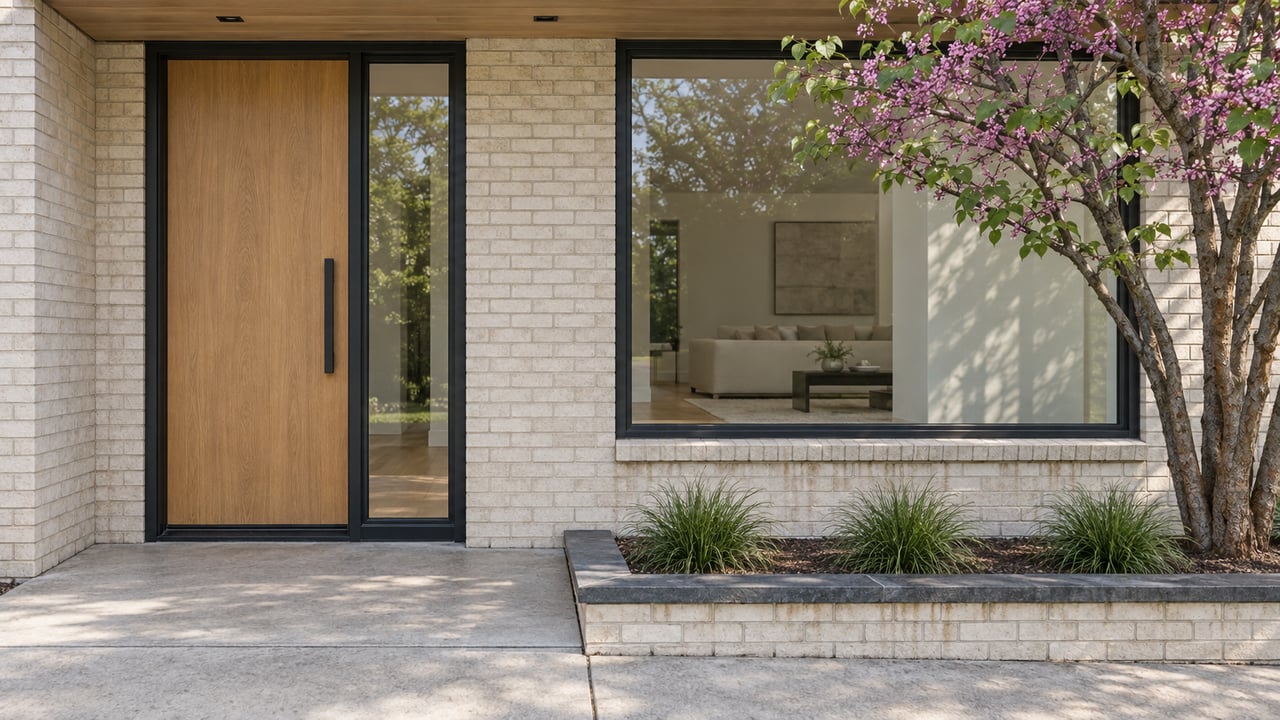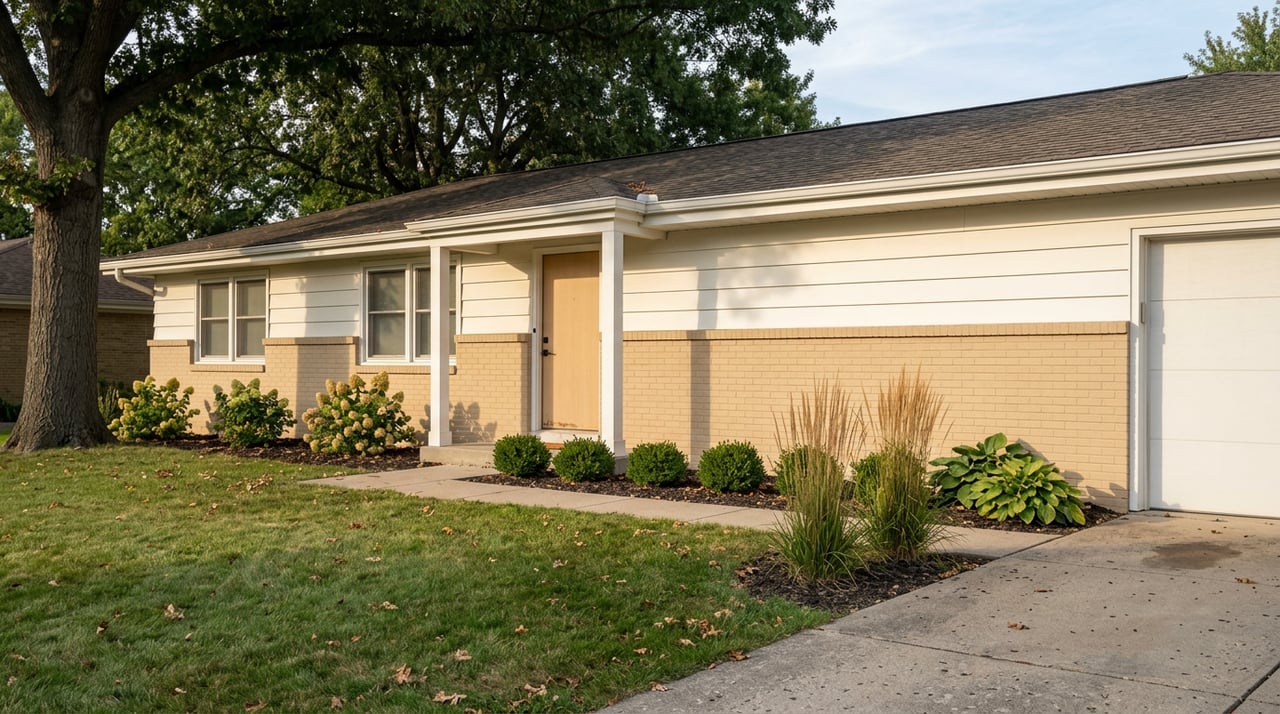
"East of 86th Street where we've got moderately priced houses but still solid construction."
That's Curtis Brown, Urbandale's assistant city manager, describing the part of town the city is actively working to protect as its supply of what he calls naturally occurring affordable housing, in a Business Record housing panel held with local builders, lenders and Realtors. He wasn't talking in the abstract. He was drawing a line on a map, and that line runs straight through the middle of any conversation about what a home in Urbandale actually costs.
If you've been watching the median price for Urbandale on a portal search, you've seen a single number in the high $300,000s. That number is real, but it's an average of two housing markets that don't behave the same way, weren't built in the same decade, and aren't being sold to the same buyer. Understanding which side of that line a listing sits on will tell you more about what you're getting than the median ever will.
The line the city drew on purpose
Derek Zarn, Urbandale's director of marketing and communications, has described that older, more established section on the east side as homes from the 50s and 60s, with streets lined by tall, lush trees and smaller lots than what's being built today. Newer developments across town tend to be more open, with wider, more walkable streets by design. The construction on the east side has held up well enough that city leadership has made a deliberate policy choice to preserve it rather than let it get redeveloped away. Brown's comments make that explicit: the city sees this stock as its best tool for keeping a foothold in the metro's core at a price point new construction can't touch.
That's a meaningfully different framing than "the cheap part of town." It's a city government treating a specific, geographically bounded set of homes as infrastructure worth protecting. If you're a buyer comparing an east-side ranch to a newer build across town, you're not comparing two versions of the same product. You're comparing a preserved asset class to a growth product, and the city has opinions about both.
What the other side of the line is building
Northwest Urbandale is where the new construction pipeline lives. Developments like Biltmore West, Biltmore Proper along Meredith Drive, Bentley Ridge, and Bent Tree Crossing are active building sites right now, with lot configurations that include standard, walkout, and daylight options and, in Biltmore Proper's case, parcels ranging from roughly a quarter acre up to nearly 1.3 acres for buyers who want space and privacy rather than proximity to a mature street canopy.
This isn't a slow trickle of builder activity. In April 2026, Jerry's Homes paid just over $1 million for 12 residential building lots in Biltmore West Plat 3, according to Polk County real estate records reported by Business Record. That's a builder committing real capital to platted lots in northwest Urbandale in the same season this article was researched, which tells you the new-construction side of the market isn't winding down.
One city, two products
Here's the comparison that actually matters when you're pricing a move to Urbandale:
| East of 86th Street | Northwest Urbandale | |
|---|---|---|
| Typical vintage | 1950s–1960s | Actively platting now |
| Lot character | Smaller, mature trees | Larger, walkout/daylight options, some over an acre |
| City's stated role | Preserve as affordable core housing | Growth and new-build capacity |
| Street pattern | Established, tighter grid | Wider, more walkable by design |
Deb Miller, a Realtor with Iowa Realty who lives in Urbandale, has described the split in almost identical terms to Brown's and Zarn's: older sections with smaller, more affordable starter homes on one side, and new construction climbing into the multi-million-dollar range on the other. She's also pointed out that Urbandale's overall price level lands close to neighboring Grimes, while Johnston and Clive run noticeably higher, with single-family medians in the mid $400,000s in those cities. That regional comparison only makes sense once you understand that Urbandale's number is a blend, not a single market speaking with one voice.
The number that doesn't match the story
Here's where it gets interesting for anyone timing a purchase or a sale. As of July 2026, homes in Urbandale sold for a median price of $389,900, an increase from a year earlier. At the same time, homes took a median of 76 days to sell that month, up from 66 days the year before, and total homes sold slipped to 431 from 452.
Rising price and slowing pace at the same time is not what a single, uniform market looks like. It's what you'd expect if part of the inventory, likely the updated homes and new builds, is still moving quickly while another part, likely older homes that haven't been refreshed, sits longer and pushes the median days-on-market up even as top-of-range sales keep pulling the median price higher. Market trackers even separate out "hot homes" that go pending in under three weeks from the broader pool that takes closer to two months, which is exactly the kind of split you'd expect on either side of a preservation line versus a construction zone.
If you're selling an older east-side home right now, that gap matters. Pricing it like the citywide median assumes buyer behavior it may not actually get. If you're a buyer chasing new construction in the northwest, the faster pace on that side of town means less room to wait and negotiate than the citywide days-on-market number would suggest.
The middle ground that's about to change
There's a third piece of this that most buyers haven't priced in yet. Urbandale's Downtown Master Plan, approved by the city council on June 17, 2025, targets the Douglas Avenue corridor between Merle Hay Road and 75th Street for a mixed-use redevelopment that includes both commercial space and housing. As of March 2026, the city was still in the branding and zoning phase, having awarded a contract in February 2026 to Cedar Rapids-based De Novo Marketing to help define what "downtown Urbandale" should even be called and how it should present itself to the rest of the metro.
Aaron DeJong, the city's director of economic development, has framed the effort as building the rules and confidence that will let developers reinvest in that corridor. That stretch of Douglas Avenue sits geographically close to the 86th Street divide, which means the neighborhoods flanking it could see their comp sets shift in the next several years as the downtown district takes shape. It's not a factor that shows up in today's median price. It's one worth asking about if you're buying near that corridor with a five-year horizon in mind.
What to actually check before comparing two Urbandale listings
- Confirm which side of 86th Street a listing sits on, and cross-check the year built. A 2026 build and a 1962 ranch can carry the same list price and still be entirely different purchases.
- Ask your agent whether the comparable sales used for an appraisal mix vintages across that divide. A comp set that blends both sides can distort value in either direction.
- Compare price per square foot within the same pocket of the city, not against the citywide median, since that number is doing double duty for two different products.
- If you're looking at new construction, get the specific lot configuration, standard, walkout, or daylight, since that affects both price and resale flexibility later.
- Watch how long comparable homes actually sat before going pending, not just the median for the whole city. A 76-day citywide median can hide 19-day sales on one end and much longer waits on the other.
Frequently asked questions
Is Urbandale less expensive than Clive or Johnston right now? Generally yes for single-family homes. Urbandale's overall price level tracks closer to Grimes, while Clive and Johnston have single-family medians in the mid $400,000s, a meaningfully higher tier.
Why is so much new construction concentrated in northwest Urbandale? Available land and active platting. Developments like Biltmore West, Biltmore Proper, and Bentley Ridge have lots moving through the building pipeline right now, including a 12-lot purchase by Jerry's Homes in Biltmore West Plat 3 recorded in April 2026.
Will the Downtown Master Plan actually change home values near Merle Hay Road? It's early. The city council approved the plan on June 17, 2025, and was still finalizing branding and zoning as of March 2026. There's no confirmed timeline for redevelopment to show up in resale values, but it's a corridor worth watching if you're buying nearby with a longer hold in mind.
If you're trying to figure out which side of Urbandale actually fits your budget and your timeline, that's exactly the kind of question worth working through before you start touring homes rather than after. Lynn Harder has spent years walking clients through these exact comparisons block by block. Your Home Journey Starts Here.