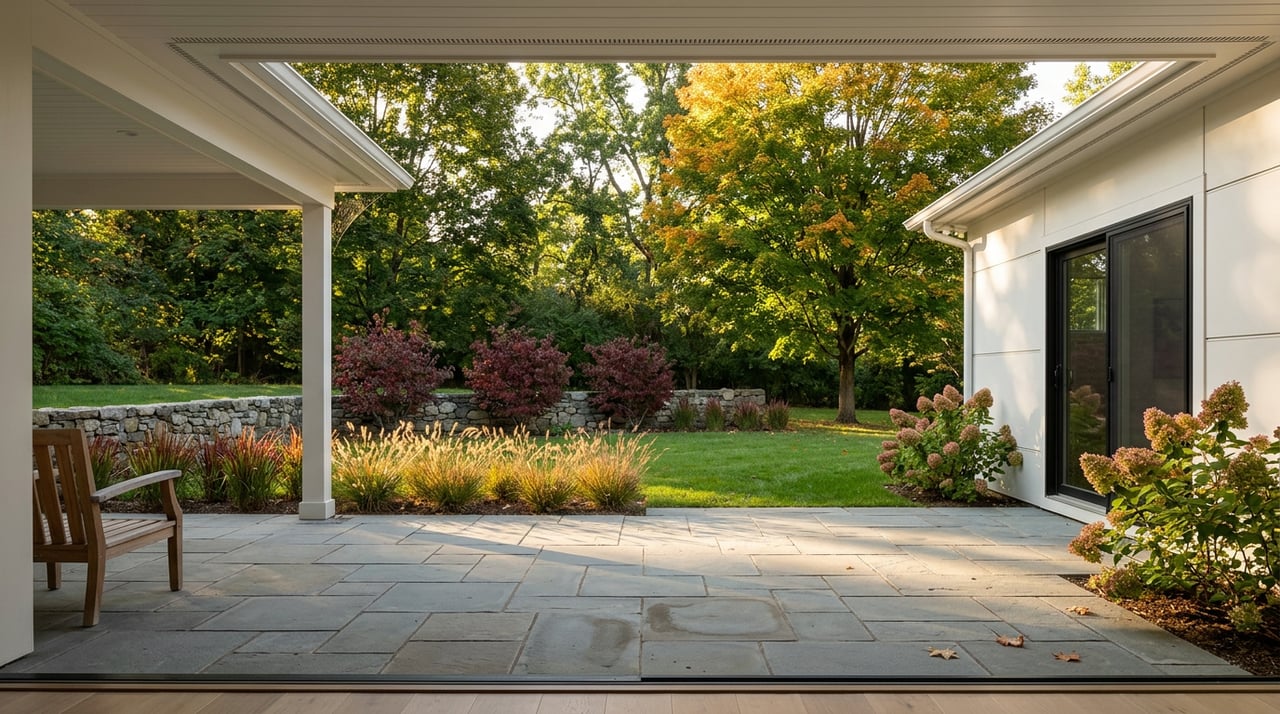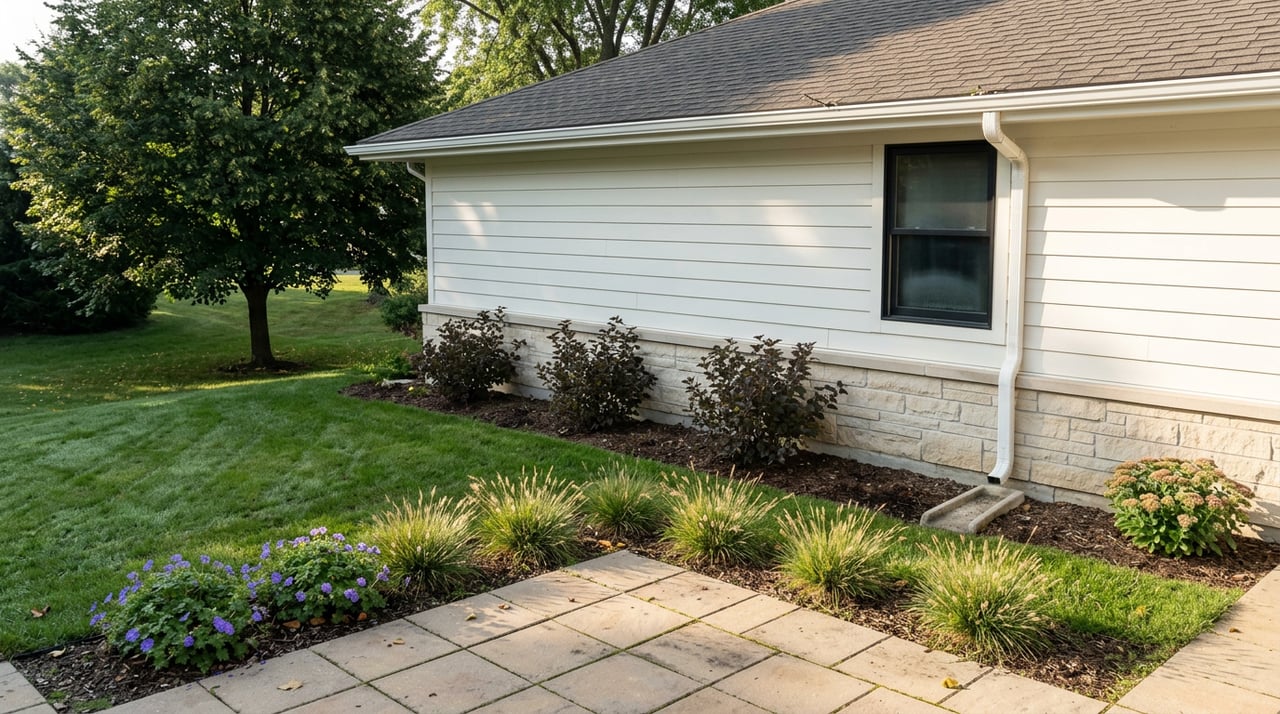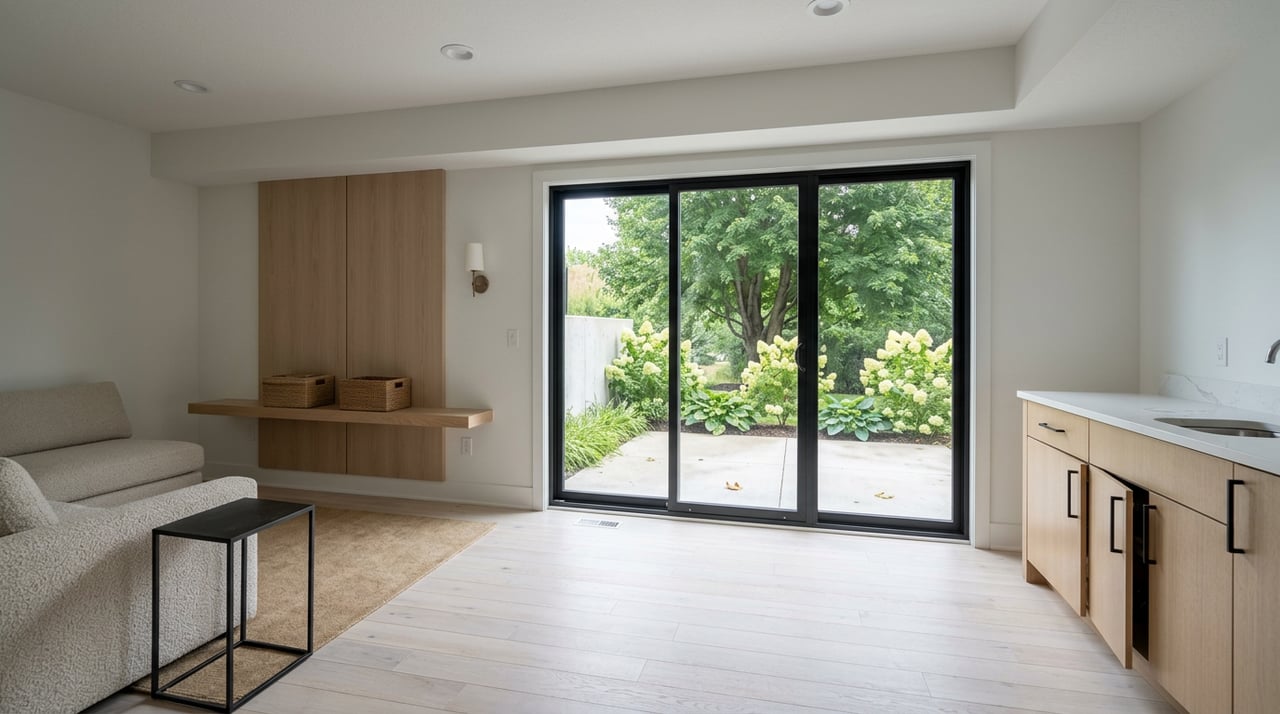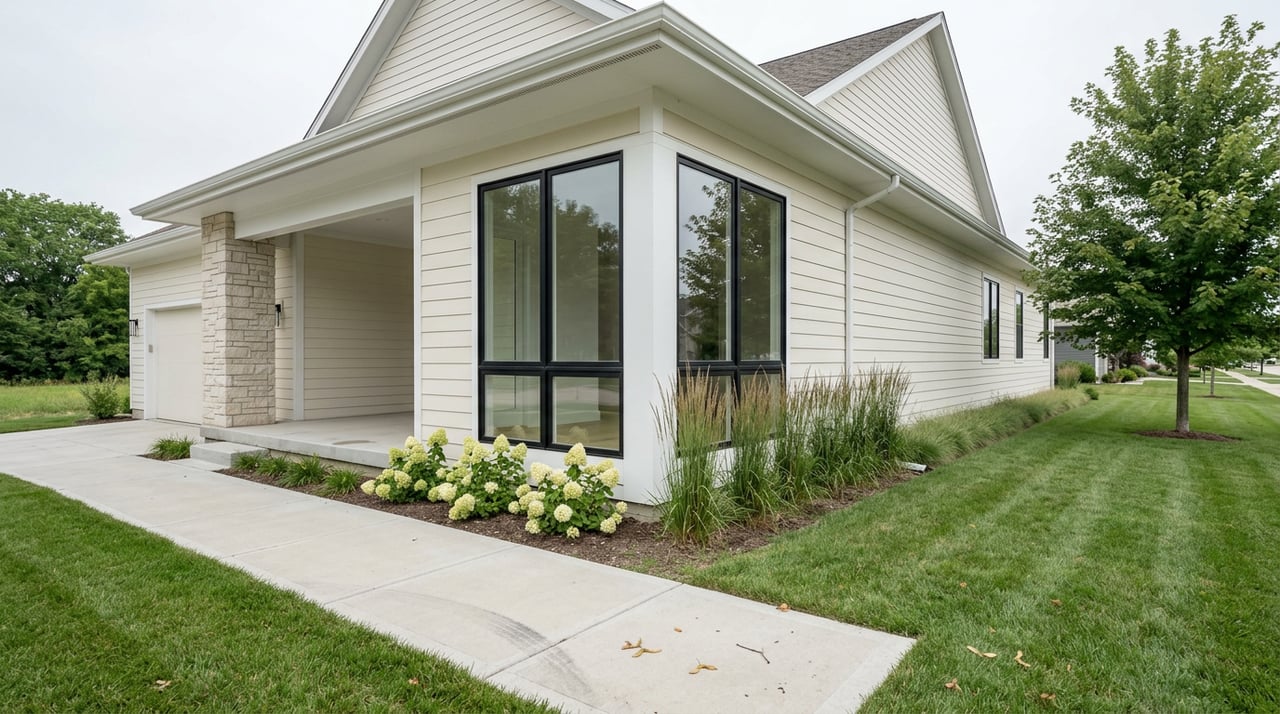
Two lots went up for sale in Waukee this year within a few miles of each other. One, in Fox Valley Plat 2, listed for $95,000 to $125,000 with no homeowners association and an open invitation to bring your own builder. The other, twenty lots at Castle Ranch near Meredith Drive and Alice's Road, carried an HOA and a price tag of $140,000 to $171,000 for a smaller buildable footprint. On paper, Fox Valley looks like the deal. Buyers who stop at the sticker price usually assume it is.
That assumption is where most lot shoppers get the math wrong, and it is worth walking through why before you fall in love with a price per acre.
What "bring your own builder" actually buys you
A bring-your-own-builder lot means the developer has platted the ground and sold you the dirt, but everything from grading to the general contractor is on you. No preferred builder relationship, no packaged floor plan, no association telling you what your roofline has to look like. Trailridge Creek, positioned near NW 10th Street and NW Douglas Parkway just south of Waukee's new Northwest High School, markets itself the same way: no association dues, bring your own builder, room to build the life you've imagined. Fox Valley Plat 2 follows the same model across 54 lots ranging from 0.16 to 0.42 acres.
Compare that to Castle Ranch, an HOA development a few miles away. The association dues fund something specific: shared entryways, common green space, the ongoing maintenance of whatever infrastructure the developer built once and the neighborhood pays to keep up forever. That's baked into the higher per-lot price. In a bring-your-own-builder subdivision, there is no such fund, because there is no such shared infrastructure to maintain. You are not getting a discount. You are getting a different set of things included, and a different set left out.
The cost that shows up after you close on the lot
Every lot, HOA or not, still needs to go from platted ground to a place you can pour a foundation. Local cost estimates for site preparation and utility hookups in the Waukee area land in a wide but consistent range, generally $15,000 to $45,000 depending on grading needs, tree removal, and how far the lot sits from existing water, sewer, and electric lines. A walkout or daylight lot, the kind Fox Valley and Trailridge Creek both offer heavily, often needs more grading work than a flat lot simply because of the elevation change that makes the walkout desirable in the first place.
That means the real comparison isn't $95,000 versus $140,000. It's $95,000 plus an unknown site-work number versus $140,000 plus a probably smaller site-work number, because an established HOA development has typically already resolved drainage and utility runs across the whole plat before individual lots go on the market. Buyers who price only the lot line often discover the gap in the first change order.
The timeline nobody puts on the sign
Waukee's own building permit numbers tell you how busy the pipeline actually is right now. The city issued 125 building permits in January 2026 and 187 in March 2026, with 29 of those March permits for single-family homes alone. That is a lot of simultaneous construction competing for the same framers, electricians, and city inspectors, and it matters directly to anyone buying a bring-your-own-builder lot, because your builder's schedule is not the only schedule in play.
The build timeline itself varies enormously depending on what you're buying, not just where. A spec home that's already framed can close in 30 to 90 days. A to-be-built production home where you choose the plan and finishes typically runs 3 to 6 months. A custom or semi-custom build on a bring-your-own-builder lot, the kind Fox Valley and Trailridge Creek are set up for, commonly stretches 6 to 12 months or longer once you account for design, permitting, and site conditions. None of that clock starts until after you've closed on the lot and lined up a builder, which on a BYOB parcel is entirely your job to arrange.
There's a procedural layer underneath all of it too. Before any site plan gets submitted in Waukee, the city requires a preliminary plat, then construction drawings, then a final plat, a process that runs through the city's development procedures independent of your own building permit. A subdivision advertised as "ready for building Summer 2026," which is exactly how Fox Valley Plat 2 has marketed its 54 lots, means the plat work is expected to clear on that schedule. It does not mean your individual building permit, submitted through the city's own portal, moves any faster once you're ready to break ground.
A short list before you sign for a lot
- Ask whether the plat is final and recorded, not just preliminary. A "ready for building" date on a listing describes the plat, not your permit timeline.
- Find out what utility stub-outs are already run to the lot line versus what you'll need to extend yourself. This single question is usually where the $15,000 to $45,000 site-work range gets decided.
- Ask your prospective builder for an honest read on their current backlog, especially given how many permits the city has been issuing month over month in 2026.
- Price the lot and the build together before comparing two developments. A cheaper lot with a longer, more expensive build can cost more start to finish than a pricier lot in an already-serviced HOA community.
- Confirm the marketed readiness date against what's actually happened on the ground. Summer 2026 has arrived. If you're looking at Fox Valley or a similar plat, ask whether that target held.
Where the acreage lots fit differently
Not every Waukee lot decision is about a subdivision at all. Napa Valley, just beyond Waukee's official city limits, offers executive-style acreage lots of an acre or more with private amenities built into the community itself, a pool, tennis courts, ponds, and walking paths, at a scale and price point that has little to do with the Fox Valley or Castle Ranch comparison. Buyers drawn to that kind of privacy and acreage are usually not choosing between HOA and no-HOA. They're choosing rural buffer and amenity access over proximity to Waukee's town core, and that's a genuinely different calculation than a subdivision lot near Sugar Creek Elementary or the Waukee Town Triangle.
Frequently asked questions
Is a no-HOA lot always the cheaper overall path to a finished home? Not necessarily. The lot price is often lower because the shared infrastructure an HOA fee would normally maintain simply doesn't exist yet, or is your responsibility to build. Site prep and utility costs apply regardless of HOA status, and an established HOA development may have already resolved more of that work before the lot ever went on the market.
How long does the Waukee permitting process actually take once I own the lot? It depends heavily on what you're building and how backlogged the city and your contractor are at the time. With the city issuing well over a hundred permits in some recent months, buyers should build in real cushion rather than assuming a fixed number of weeks.
What's the practical difference between a spec home and a bring-your-own-builder lot? A spec home is already built or underway on a builder's own timeline, which is why it can close in as little as 30 days. A bring-your-own-builder lot starts from raw or platted ground, which means the design, permitting, and construction timeline is entirely yours to manage and typically runs several months longer.
If you're weighing a bring-your-own-builder lot against an established Waukee neighborhood, the math is rarely as simple as the price per acre. Lynn Harder can walk through what a specific lot actually includes, what it doesn't, and what a realistic timeline looks like before you sign anything. Your Home Journey Starts Here.