Thinking about putting down roots in Waukee with kids? You want reliable schools, easy parks and trails, a smooth commute, and a community where your family feels at home. Waukee offers a lot of that, with the growing pains that come with a fast-moving suburb. In this guide, you’ll learn how daily life feels right now and what to plan for in the next few years. Let’s dive in.
Waukee at a glance
Waukee sits on the west side of the Des Moines metro and has grown quickly in recent years. For families, that growth usually means newer neighborhoods, active youth programs, and more shops and restaurants coming online. It can also bring construction, shifting school boundaries, and busy rush-hour corridors.
If you’re planning a move, think about both today and the next 5 to 10 years. You’ll likely see continued neighborhood build-out, new school facilities, and more parks and trails stitched into the community fabric over time.
Schools and learning
Public schools: WCSD basics
The Waukee Community School District serves Waukee and parts of nearby communities. The district has been one of Iowa’s faster-growing systems, which has led to new elementary buildings and expansion at the middle and high school levels. Families usually care about class sizes, school boundaries, and extracurricular options.
Before you choose a home, verify current boundary maps, grade-level assignments, and any planned capital projects on the WCSD site. You can also look at Iowa Department of Education reports for district metrics. WCSD offers a range of services typical for a large suburban district, including special education, multilingual supports, STEM opportunities, and activities like sports, music, and arts.
Private and parochial options
Many Des Moines-area suburbs have a mix of private and faith-based schools that serve different grade ranges. If this is on your list, ask about admissions timelines and transportation. Confirm current options and enrollment details directly with each school.
Early childhood and childcare
In growing suburbs, demand for childcare can outpace supply. Waukee typically has a mix of licensed centers, in-home providers, and preschool programs. Waitlists are common for infants and toddlers.
How to navigate it:
- Start your childcare search early and join multiple waitlists.
- Use licensed provider lists from the Iowa Department of Human Services to confirm credentials and capacity.
- Ask about part-time preschool, in-district offerings, and co-ops to bridge gaps.
After-school and youth programs
Between Parks & Recreation, school clubs, private leagues, studio classes, and scouting, most families can find activities that fit. Registration windows can fill quickly in high-demand seasons.
Practical tips:
- Track City of Waukee Parks & Recreation program schedules for seasonal sports, camps, and lessons.
- Look at WCSD activities for school-based clubs and athletics.
- Budget for program fees and gear, especially for competitive or travel leagues.
Parks, play, and programs
Parks and playgrounds
Families will find a range of neighborhood playgrounds and community parks with features like splash pads, shelters, ball fields, and open green space. Destination-style parks often bundle several amenities in one spot so siblings can do different activities.
Before a weekend outing, check the city’s park pages for bathroom access, shelter reservations, and seasonal hours. If you prefer a quieter play space, explore smaller neighborhood parks.
Trails and outdoor access
Multi-use trails connect many neighborhoods to schools and shops across the Des Moines metro. Surfaces can be paved or crushed stone, and access points may include parking areas or trailheads.
If biking to school is a priority, walk the route with your child first and note crossings. Review parks and regional planning resources for updated trail maps, surfaces, and connections.
Recreation centers, pools, and classes
Look for community pools or aquatic centers, gym spaces, and parent-child classes, plus swim lessons and seasonal camps. These can be the backbone of your family’s routine in summer and school breaks.
Registration tends to open on predictable seasonal cycles. Add dates to your calendar so you can secure spots for swim sessions, day camps, and indoor classes during colder months.
Library and learning support
The local library is a cornerstone for families. Typical offerings include storytimes, homework help, STEM or craft programs, and a summer reading challenge. The event calendar can shape your weekly routine, and many programs require advance registration.
Daily life logistics
Housing and neighborhoods
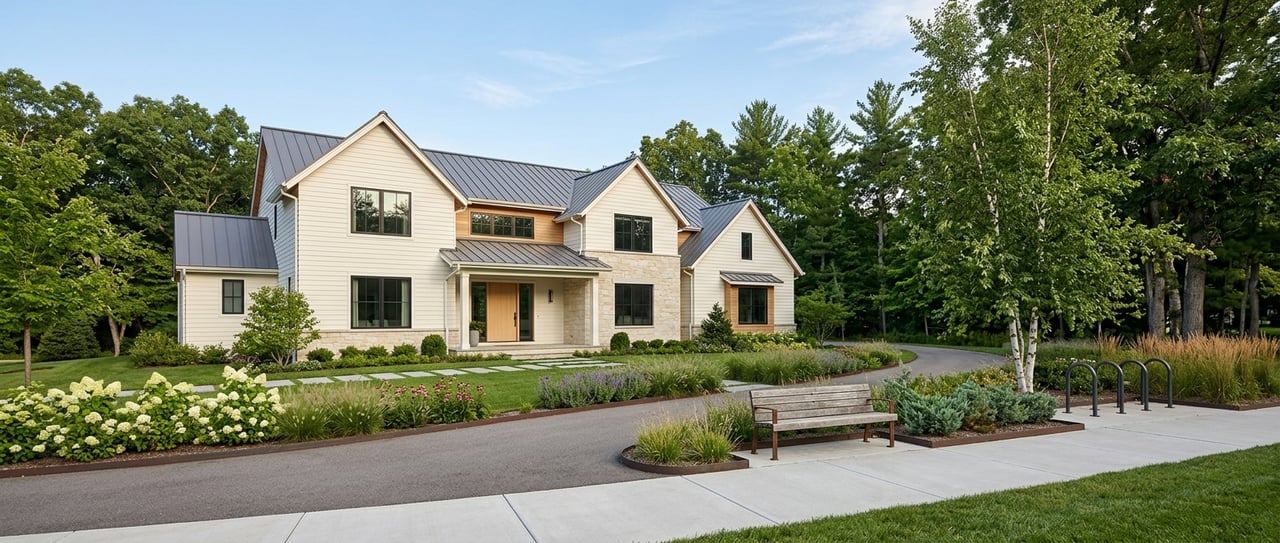
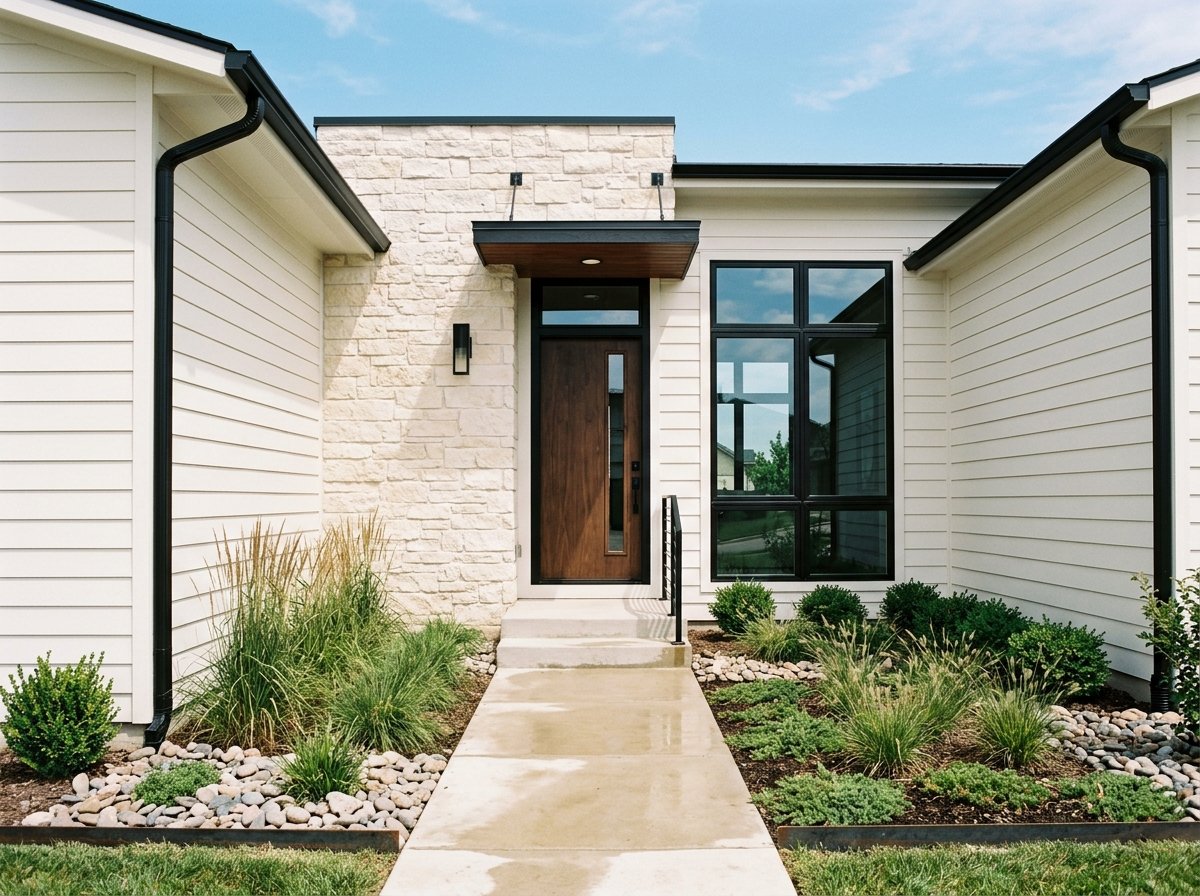
Waukee’s housing stock leans newer, with single-family subdivisions, townhomes, and some older infill areas. You’ll also see ongoing new construction and builder communities. Homeowner associations are common in newer neighborhoods and may cover shared amenities or maintenance.
What to consider as you shop:
- Compare new-build timelines with your school-year plans.
- Review HOA rules for fencing, outbuildings, or play equipment.
- Check Dallas County property tax information for your specific parcel.
- Ask about nearby parks, sidewalks, and planned road improvements.
If you’re weighing new construction versus resale, factor in completion timing, customization, warranty coverage, and potential savings on maintenance in the first few years.
Commute and transportation
Many Waukee residents commute into Des Moines or nearby employment hubs. Peak-hour traffic can slow main corridors, while off-peak drives are usually quicker.
Smart commuting steps:
- Test your route with a live map during your actual commute window.
- Identify a backup route for weather or construction detours.
- Check regional transit options if you prefer not to drive.
Healthcare and pediatric care
Families typically look for nearby pediatricians, urgent care, women’s health, and emergency services. Major health systems in the metro include MercyOne and UnityPoint Health. Map out the nearest hospital with emergency care, plus the pediatric practices within a short drive of your home.
For day-to-day needs, confirm hours and online scheduling for your preferred clinic or urgent care. In winter, it helps to know which locations offer same-day pediatric appointments.
Shopping, groceries, and conveniences
As neighborhoods grow, commercial corridors tend to follow. You can expect a typical suburban mix of grocery stores, pharmacies, big-box retailers, family-friendly restaurants, and local coffee spots. Many families also enjoy seasonal farmers markets.
If one-stop convenience matters, check how close your preferred stores are to school pick-up routes. That can save time during busy sports seasons.
Safety and awareness
Safety is a key factor for families. Review local police department crime maps and FBI/Uniform Crime Reporting data to understand trends, and consider rates per capita rather than raw counts. In fast-growing areas, reported incidents can rise simply because of population growth.
Practical steps:
- Compare neighborhood-level data over multiple years.
- Ask about community watch programs and city safety resources.
- Note lighting, sidewalks, and crossings on your daily routes.
Community life and events
Annual and seasonal traditions
Suburbs like Waukee often host a full calendar of family events. Examples include a summer community festival such as Waukee Fun Days, movies in the park, holiday parades, and a farmers market. The library and schools add concerts, plays, and athletic events.
Confirm dates and details on city and chamber calendars each season. If your kids love activities, you’ll likely find something on most weekends.
Finding your people
Newer neighborhoods create natural networks through school pickup lines, sports teams, and block gatherings. Parent-teacher groups, volunteer events, and local service organizations can help you plug in quickly.
If you’re new, try these first steps:
- Attend a school open house and introduce yourself to staff and PTA leaders.
- Volunteer for a one-time event to meet other parents.
- Join a parks and rec class with your child to find activity buddies.
Pros and trade-offs for families
What many families appreciate
- Newer homes and neighborhoods with space for play.
- Active youth programming through schools and parks.
- Trails, parks, and seasonal events that build community.
- Ongoing investment in school facilities as the district grows.
Practical challenges to plan around
- Construction, road work, and traffic during peak hours.
- School boundary changes or crowding as enrollment shifts.
- Waitlists for childcare, especially for the youngest ages.
- Fewer older, walkable-downtown housing options within city limits.
A day in the life with kids
Imagine a Saturday that starts with bikes on a multi-use trail and an hour at a playground with a splash pad. By late morning, you stop at a local coffee shop and pick up groceries nearby. After lunch, one child heads to a parks and rec soccer game while the other heads to a music lesson.
In the evening, you take in a community event or a movie in the park during summer, or you visit the library for a reading program in colder months. On a school day, the rhythm might include a short car line, after-school clubs, and a quick drive to a clinic for a sports physical if needed. It’s a suburban routine designed to keep most needs within a short radius.
Planning your move timeline
- 6 to 9 months out: Research WCSD boundaries, review planned capital projects, and map likely school paths from elementary through high school. Start your childcare search and join waitlists.
- 4 to 6 months out: Get preapproved, tour neighborhoods, and compare new construction versus resale timelines. Review HOA rules and nearby park access.
- 2 to 3 months out: Lock in movers, line up contractors for any quick updates, and register kids for activities that match your closing timeline.
- Moving month: Transfer utilities, confirm school enrollment, update healthcare providers, and bookmark city calendars for parks, library, and community events.
Ready to explore with a local guide?
If Waukee sounds like a fit, the next step is seeing neighborhoods, school routes, and daily-drive realities in person. A thoughtful tour can save months of trial and error and help you feel confident about your move. When you’re ready, reach out to Lynn Harder for patient guidance, neighborhood insights, and support aligned with your family’s goals.
FAQs
How are public schools organized in Waukee?
- Waukee Community School District serves the area with multiple elementary schools and expanded secondary options; verify current boundaries, grade configurations, and planned projects on the WCSD site.
What is the typical commute from Waukee to downtown Des Moines?
- Commute times vary by route and time of day; test your exact drive during rush hour using live maps and check regional planning reports for broader trends.
Is childcare in Waukee hard to find?
- Demand often exceeds supply for infants and toddlers; use the Iowa Department of Human Services licensed provider lists, start early, and join multiple waitlists.
What parks and trails should families expect in Waukee?
- You’ll find neighborhood playgrounds, splash pads, sports fields, and multi-use trails with regional connections; confirm amenities, hours, and surfaces on city parks and trails resources.
Is Waukee safe for families?
- Review local police crime maps and FBI/Uniform Crime Reporting data, focusing on per-capita rates and multi-year trends; also ask about community safety programs and neighborhood watch options.