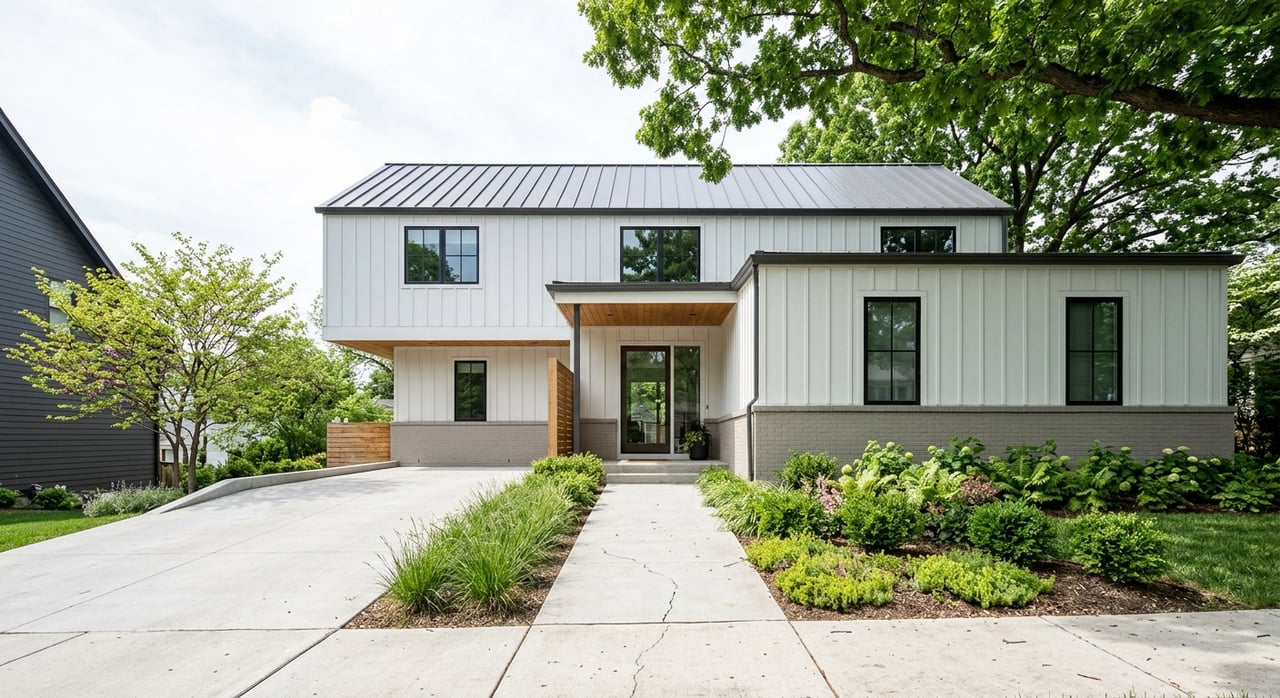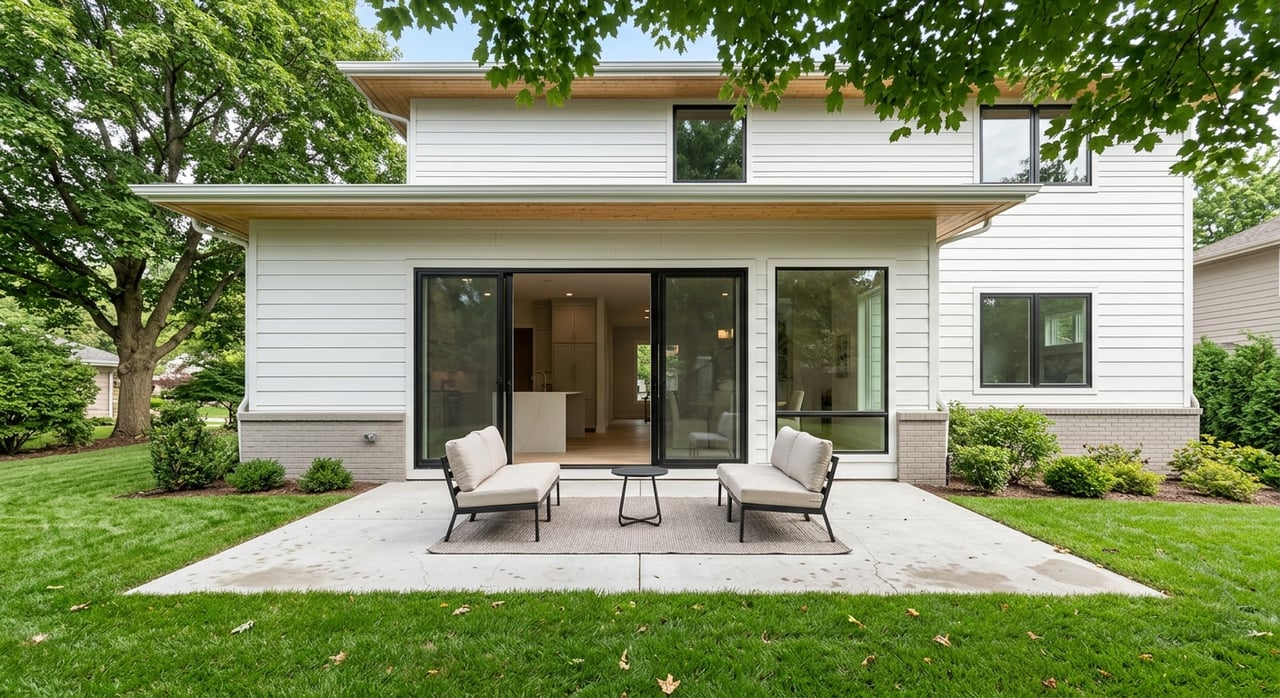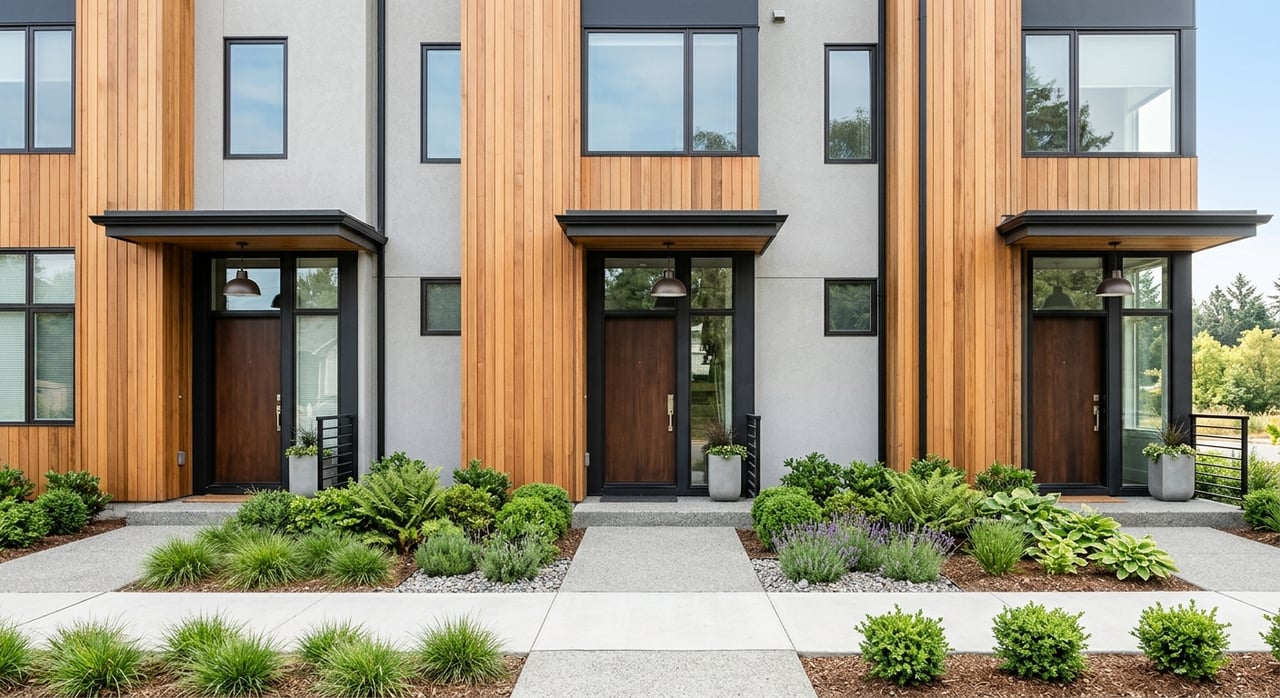
If you are thinking about a lower-maintenance home in Clive, you may be surprised by how much variety exists under the labels “townhome” and “condo.” These homes can be a smart fit if you want less exterior upkeep, but they do not all work the same way. Understanding the difference can help you avoid surprises with dues, rules, and maintenance responsibilities. Let’s dive in.
Townhomes and condos in Clive
In Clive, attached housing is an important part of the city’s housing mix. The city describes itself as landlocked and nearing full buildout, which is one reason local planning points toward a blend of single-family homes, higher-density homes, townhomes, and apartments going forward.
That matters because in Clive, the word condo often refers to a legal ownership structure, not just a certain look. A home may appear to be a townhome from the outside but still be legally organized as a condo or another common-interest community. That legal setup affects how ownership, maintenance, dues, and shared spaces are handled.
Clive also has less condo-style inventory than single-family housing. The city identified only a small number of condo-related projects since 2000, including Westmont Condos and Stonegate Crossing Condos, which suggests attached ownership options are available but are not the dominant housing type in the city.
What attached homes look like in Clive
Clive’s townhome inventory tends to be compact to mid-size and garage-oriented. City development standards call for at least 1,250 square feet, not counting basements, along with a minimum two-car garage and low-maintenance siding materials.
That said, there is still a meaningful range in size and layout. The city’s examples include homes around 1,382 square feet with 2 bedrooms and 2 bathrooms, along with larger options around 2,001 square feet and some homes with finished lower levels or even three-car garages.
For you as a buyer, that means attached living in Clive is not one-size-fits-all. You may find a smaller home that feels easy to manage, or a larger townhome that still gives you space for guests, storage, a home office, or hobbies.
Condo ownership versus building style
This is one of the most important things to understand before you buy. A townhome usually describes the way the home is built, while a condo often describes the legal form of ownership.
Under Iowa law, condo and HOA ownership are built around a common-interest community structure. The governing documents spell out the land, buildings, common elements, voting rights, expense responsibilities, and how changes can be made.
In practical terms, two attached homes in Clive may look similar but operate very differently. One association may handle roofs, siding, lawn care, and snow removal, while another may leave some of those items to the owner.
What HOA dues usually cover
Many buyers are drawn to townhomes and condos because they can reduce day-to-day exterior chores. In a common-interest community, owners share certain expenses tied to common elements or other property described in the declaration.
In Iowa condo regimes, common elements can include land, foundations, basements, exterior walls, roofs, hallways, stairways, entrances, lobbies, and shared utility systems. That means your HOA dues may support maintenance and services connected to those items.
A practical way to think about dues is simple: you are often paying for convenience. That can include landscaping, snow removal, and maintenance of shared spaces, but the exact list depends on the association’s documents.
The tradeoff: convenience, cost, and rules
Lower maintenance can be a real benefit, especially if you want to spend less time on yard work or exterior repairs. But that convenience comes with ongoing monthly dues and a set of rules that owners agree to follow.
HOA dues are usually paid separately from your mortgage. Depending on the community, they can be a modest monthly cost or a much more significant part of your housing budget.
You also need to be aware of the possibility of special assessments. If an association faces major repair costs or does not have enough reserves, owners may be asked to contribute additional money.
Where attached homes cluster in Clive
Attached-housing options in Clive are not spread evenly across the city. Based on the city’s GIS data and housing strategy materials, they tend to cluster in planned pockets rather than appearing throughout every part of Clive.
Several names come up again and again in local records. These include Westmont Condominiums, Country Club Pointe Townhomes, Country Club Ridge Townhomes, Lake Pointe Townhomes, Waters Edge Townhomes, Park Side Townhomes, Commons at Boston Park, Townhomes of Walnut Creek Hills, Stonegate Townhomes, and Woodlands Plat 05.
The city’s housing strategy also notes that very few townhome units are located east of Interstate 35. That means many of Clive’s strongest attached-housing concentrations are on the west side of the city.
Clive areas to keep in mind
If you are narrowing your search, it helps to know the main attached-housing pockets by name. In Clive, the recurring areas include the Country Club area, the Walnut Creek area, the Lake Pointe, Waters Edge, and Park Side group, and the Stonegate and Harbach corridor.
These names are useful because they show up repeatedly in the city’s mapping and housing analysis. If you are comparing locations, they give you a practical starting point for understanding where attached ownership options are more likely to be available.
As always, each community can differ in layout, upkeep responsibilities, and association structure. It is worth looking beyond the map and into the details of each specific property.
Who townhome or condo living may fit
Attached living in Clive can work well if you want less exterior maintenance than a detached home but still want functional living space. Many buyers like having enough room for overnight guests, an office, storage, or a finished lower level without taking on a larger yard.
This style can also be appealing if you prefer a more simplified routine. If mowing, snow removal, or exterior projects are not high on your wish list, a townhome or condo may offer a more manageable option.
At the same time, it is important to match the property to your daily life. Garage size, stair layout, shared walls, guest parking, and storage can all affect how well a home works for you over time.
Questions to ask before you buy
Before you make an offer on a townhome or condo in Clive, slow down and review the association details carefully. This is where you can protect your budget and avoid misunderstandings.
Start with these questions:
- What exactly does the HOA cover?
- Are roofs, siding, lawn care, snow removal, or exterior repairs shared?
- How healthy are the reserve funds?
- Are there any planned or possible special assessments?
- Is there a rental cap or rental restriction?
- What is the pet policy?
- Are there any age-related restrictions?
- Which spaces are common elements and which are owner-controlled?
The key is not to assume that every attached home works the same way. In Clive, the legal structure and association rules can vary from one neighborhood to the next.
How to compare options with confidence
When you compare townhomes and condos, it helps to look at the full monthly picture, not just the list price. A home with higher dues may cover more exterior expenses, while a home with lower dues may leave more responsibility with you.
You will also want to compare lifestyle fit. One home may offer easier upkeep, while another may offer more square footage, larger garage space, or a finished lower level that better fits your needs.
That is where local guidance can make a big difference. When you understand both the home itself and the association behind it, you can make a more confident decision about what truly fits your budget and your routine.
If you are exploring townhome or condo living in Clive, having someone help you sort through the differences can save time and reduce stress. Lynn Harder can help you compare options, ask the right questions, and find a home that fits the way you want to live.
FAQs
What does condo ownership mean in Clive?
- In Clive, a condo often refers to the legal ownership structure rather than just the building style, so a home that looks like a townhome may still be organized as a condo or common-interest community.
What are common HOA responsibilities in Clive townhomes and condos?
- HOA responsibilities can include shared expenses for items like landscaping, snow removal, roofs, exterior walls, shared utility systems, and other common elements, depending on the association documents.
Where are townhomes and condos commonly located in Clive?
- Clive’s attached homes often cluster in planned pockets such as the Country Club area, the Walnut Creek area, the Lake Pointe, Waters Edge, and Park Side group, and the Stonegate and Harbach corridor.
Are most attached homes in Clive on the west side?
- Based on the city’s housing strategy, very few townhome units are located east of Interstate 35, so many of Clive’s attached-housing options are concentrated on the west side.
What should buyers review before purchasing a Clive condo or townhome?
- Buyers should review what the HOA covers, reserve funding, possible special assessments, exterior maintenance responsibilities, and any rules related to rentals, pets, or age restrictions.