Selling your home can feel simple when you hear that homes in Waukee are going pending in around 22 days. But that number only tells part of the story. If you want a smoother sale, stronger first impressions, and fewer surprises, you need a clear plan that starts well before your home hits the market. Let’s walk through a practical home selling timeline in Waukee so you know what to do, when to do it, and how to move forward with confidence.
Why timing matters in Waukee
Waukee is a growing community in Dallas County, and local housing activity reflects that pace. Recent market data shows an average home value of $343,420, a median sale price of $367,750, a median list price of $417,467, about 200 active listings, and a sale-to-list ratio of 0.988.
That same snapshot shows homes going pending in about 22 days. While that can sound fast, your full selling timeline usually includes preparation, listing, showings, offer review, inspection, appraisal, and closing. In other words, the best results often come from starting early, not rushing late.
Start 2 to 3 months before listing
This is the planning phase, and it often has the biggest impact on your final result. Before you think about photos or showings, you want to understand your pricing strategy, your home's current condition, and which updates are actually worth your time.
A strong first step is a full walk-through of your home. This helps you spot cosmetic issues, maintenance items, and clutter that may distract buyers once your listing goes live.
Set a pricing strategy early
Pricing is one of the first major decisions in your selling timeline. In a market like Waukee, where buyers may act quickly on homes that are well positioned, the right price can help you generate stronger interest early.
This is also the stage where Lynn Harder and the APEX team can help you compare your home to current market conditions, review likely buyer expectations, and set a realistic list price. A thoughtful pricing conversation now can save you stress later.
Build a repair and prep list
Not every project needs to be done before you sell. The goal is to focus on updates that improve first impressions and reduce avoidable concerns for buyers.
During this window, common prep tasks may include:
- Decluttering closets, counters, and storage areas
- Packing items you do not need right away
- Touching up paint
- Replacing small fixtures if they look dated or worn
- Handling minor repairs
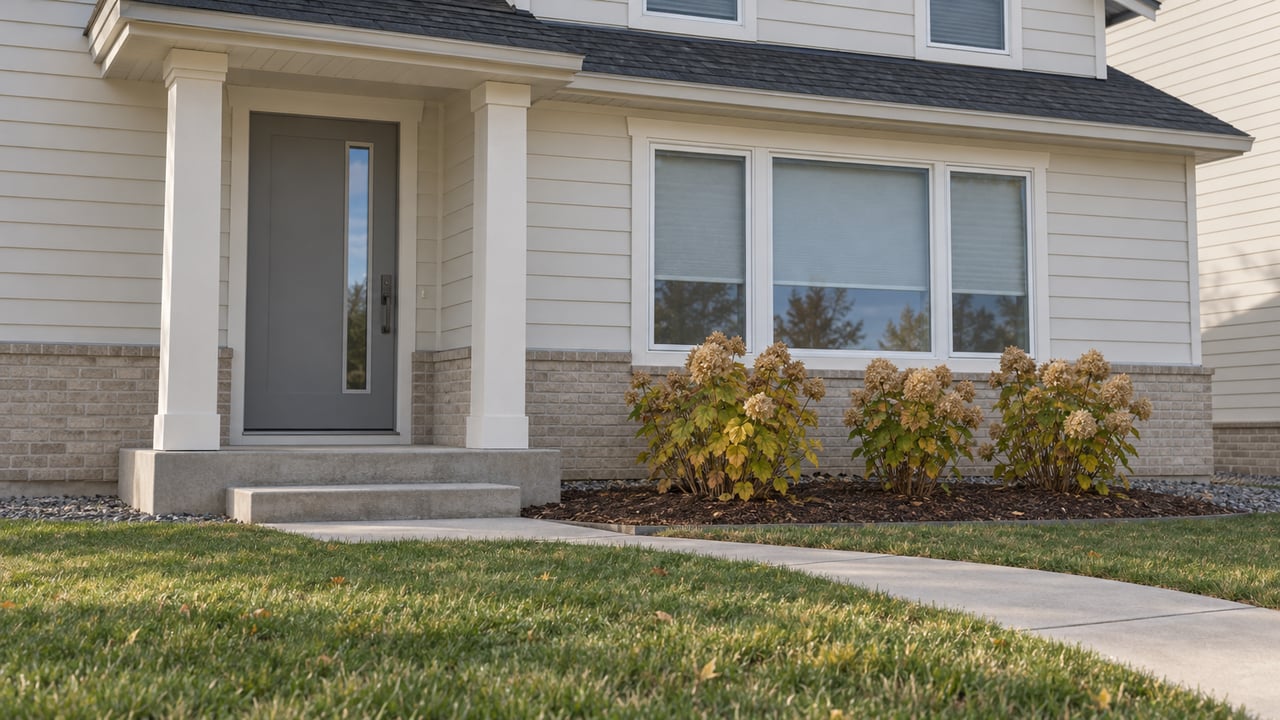
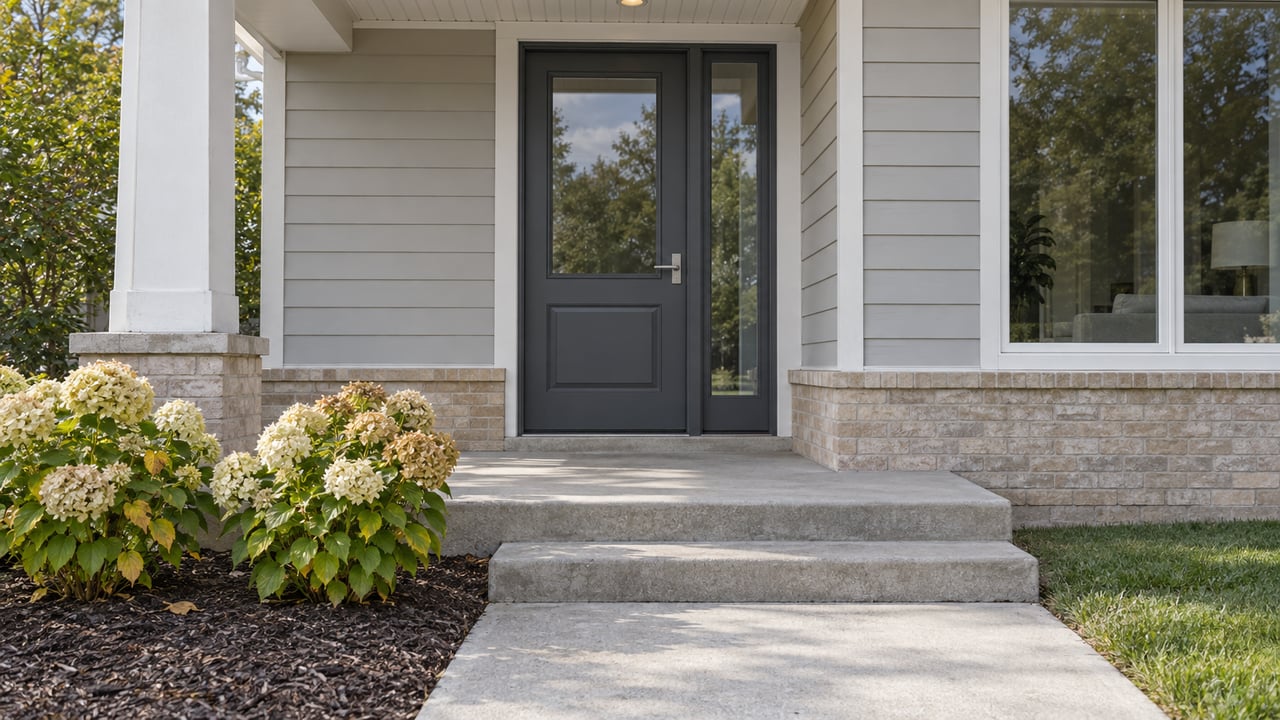
- Cleaning up landscaping and curb appeal
This is also a smart time to decide whether staging makes sense for your home. The best approach is usually the one that helps your space feel clean, bright, and easy for buyers to understand.
Move into paperwork 4 to 6 weeks out
As your home gets closer to list-ready condition, your focus shifts to documentation and final presentation. This step matters more than many sellers expect.
In Iowa, residential property condition disclosure rules generally apply to transfers of real estate with at least one and no more than four dwelling units, unless an exemption applies. Iowa rules say the listing licensee must obtain a completed disclosure signed and dated by each seller when the property is listed, and that executed statement must be delivered to a potential buyer before the seller makes a written offer or accepts one.
Complete your Iowa disclosure early
Your disclosure should not be an afterthought. Iowa law also requires good-faith disclosure, and the information must be amended if it becomes inaccurate or misleading.
That means your disclosure belongs in the early timeline, before your home goes live. If disclosure is not delivered on time, a buyer may have the right to withdraw an offer or revoke acceptance within the allowed delivery period.
Gather key documents
This is a good time to pull together the details buyers may ask about once interest picks up. Having these items organized can make your sale feel smoother and more credible.
Helpful items to gather include:
- Repair receipts
- Appliance or system warranties
- Utility information
- HOA documents, if applicable
- Notes about what stays with the home and what will be removed
Finalize marketing materials
Once your home is cleaned up and paperwork is underway, you can prepare for launch. This usually includes photography, video, and the written listing description.
It is also the time to confirm showing instructions and finish any last repairs that could affect first impressions. Great marketing works best when your home is truly ready for attention.
Listing week and the first 2 weeks
When your home goes live, the market starts giving you feedback right away. This period is important because it often shapes the rest of your sale.
In Waukee, current data suggests buyers can move quickly when a home is priced and presented well. That is why the first 7 to 14 days should be treated as an active test of pricing and presentation, not a passive waiting period.
Launch with purpose
Your listing launch should do more than simply post the property online. It should present the home clearly, highlight its condition and features, and make it easy for buyers to schedule showings.
This is where Lynn’s relationship-first approach and the APEX team’s marketing systems can make a difference. From professional photography to broad listing distribution and showing coordination, the goal is to create strong momentum from day one.
Watch feedback closely
Early feedback can help you understand how buyers are reacting. If showings are active but offers are slow, that may point to a pricing or presentation issue.
If traffic is lower than expected, it may be time to review how the home is positioned in the market. The first two weeks are often when small adjustments can have the biggest effect.
Accepted offer to closing
Once you accept an offer, the transaction moves into a new phase. Many sellers feel relieved at this point, but there are still several steps to complete before closing day.
After acceptance, the buyer often begins lender underwriting, inspection scheduling, appraisal, insurance shopping, and title work. This part of the timeline can take several weeks, even after a fast start on the market.
Prepare for inspection and negotiation
The home inspection is often one of the first major milestones after acceptance. Depending on the findings, you may need to review repair requests or negotiate credits or terms.
This is another point where clear communication matters. A calm, organized approach can help you make decisions without losing sight of the bigger picture.
Expect lender and title steps
If the buyer is financing the purchase, the lender will continue reviewing documents and conditions during underwriting. Title work also moves forward during this stage so the transfer can be completed properly.
The closing process can take several weeks, especially if documents are signed separately or additional information is needed. That is why it helps to keep your moving timeline flexible until the transaction is further along.
What happens during closing week
Closing week usually includes final logistics, signatures, and the last property checks before ownership transfers. Even when things are on track, it is wise to stay responsive and organized.
The buyer’s final walk-through is typically scheduled on or soon before the closing date. This gives the buyer a chance to confirm the property is in the expected condition before the sale is completed.
Get ready for final documents
For financed purchases, the lender must provide the Closing Disclosure at least three business days before closing. While that is mainly a buyer-side requirement, it helps explain why closing timelines need careful coordination.
During this final stretch, you should also be ready for signing appointments, move-out completion, and any final questions from the closing side of the transaction.
Plan for move-out and handoff
As closing approaches, make sure anything that is staying with the home remains in place and anything you are taking has been removed. Leave the property in the agreed condition and finish any remaining packing well before the last day.
Once closing is finalized, the settlement or closing company records the transfer documents with the county registrar, and the buyer receives the keys. At that point, your sale is complete.
A simple Waukee selling timeline
If you want a practical baseline, this is a good way to think about the process:
| Timeline | What to Focus On |
|---|---|
| 2 to 3 months before listing | Pricing, walk-through, repairs, decluttering, staging decisions |
| 4 to 6 weeks before listing | Disclosure, documents, photography, final prep |
| First 1 to 2 weeks on market | Showings, buyer feedback, pricing and presentation review |
| Accepted offer to closing | Inspection, appraisal, underwriting, title work, moving prep |
| Closing week | Final walk-through, signing, move-out, transfer |
How to make the process easier
The easiest sales are usually not the ones that move the fastest. They are the ones where the seller started early, stayed organized, and had the right guidance at each step.
If you are thinking about selling in Waukee, a step-by-step plan can help you avoid last-minute stress and make better decisions from the start. If you want help with pricing, prep coordination, staging, marketing, offer review, or closing support, connect with Lynn Harder for patient, local guidance tailored to your next move.
FAQs
When should you start preparing to sell a home in Waukee?
- A good planning baseline is to start about two months before your intended list date so you have time for pricing, repairs, decluttering, paperwork, and marketing prep.
When do you complete the Iowa property disclosure when selling a home?
- In Iowa, the disclosure should be completed early in the process and delivered to a potential buyer before the seller makes a written offer or accepts one.
How long does it take to sell a home in Waukee from listing to pending?
- Recent market data shows homes in Waukee going pending in around 22 days, though your full selling timeline will usually be longer because prep and closing still take additional time.
What repairs should you make before listing a home in Waukee?
- Focus on repairs and updates that improve first impressions, such as decluttering, touch-up paint, small fixture changes, minor repairs, and curb appeal work.
How long does closing take after accepting an offer on a Waukee home?
- After an offer is accepted, the closing process often takes several more weeks because the buyer may still need to complete inspection, appraisal, underwriting, insurance, and title steps.
What should you do during closing week when selling a home in Waukee?
- During closing week, you should prepare for the final walk-through, finish move-out, sign final documents, and make sure the home is left in the agreed condition for transfer.