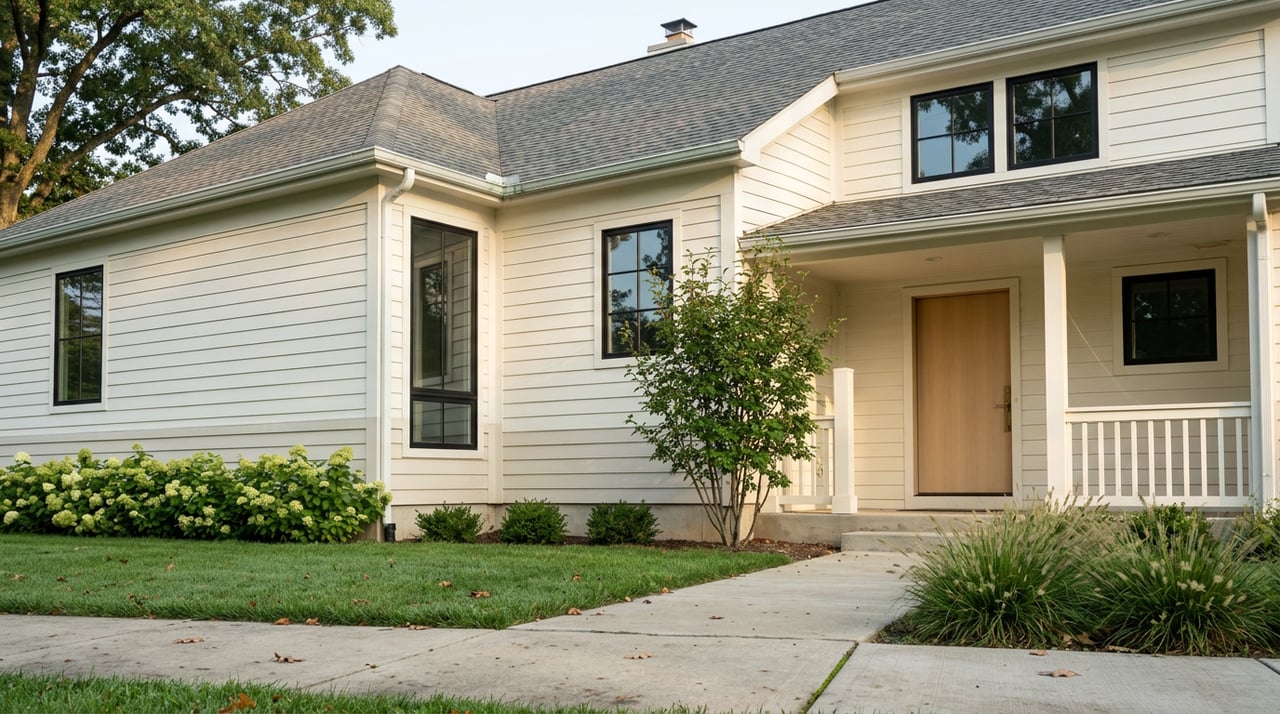
Need more room, a bigger yard, or a layout that finally fits your family? Planning a move-up purchase can feel like solving a puzzle while life keeps moving. You want to net top dollar on your current home, land the right next one, and keep school and work schedules on track. In this guide, you’ll learn how to time your sale and purchase in West Des Moines, compare financing paths, hit key school deadlines, and follow practical timelines that reduce stress. Let’s dive in.
West Des Moines market at a glance
As of early 2026, typical West Des Moines median listing and sale prices generally range from the low to high $300Ks, depending on the data source and neighborhood mix. Higher price points often cluster in places like Glen Oaks and Quail Park, while areas near Valley Junction and some older neighborhoods tend to trend lower. Because numbers vary by source and month, ask for a current MLS snapshot for your subdivision or ZIP so you plan with fresh data.
West Des Moines sits among the metro’s most in-demand suburbs, so regional trends matter for timing. Recent metro reports show steady activity through late 2024 and 2025 into 2026, with inventory shifts that can change buyer and seller leverage across the year. You can review the Des Moines Area Association of REALTORS metro housing summary to understand how seasonal inventory affects pricing and days on market. See the DMAAR year-end 2025 housing report (data through December 2025).
Choose your timing
Seasonality and leverage
In our area, spring and early summer typically bring the most buyer traffic, faster sales, and stronger sale-to-list ratios. Fall and winter are quieter, which can help buyers negotiate. National Realtor commentary echoes this seasonal pattern, which can help you decide whether to list in spring for stronger demand or shop in late summer or fall for a bit more leverage. For a quick overview of seasonality, see this NAR summary on timing and buyer activity.
School calendar anchors
If you have school-age children, your calendar may decide your move. In Iowa, the statewide public-school open-enrollment deadline for grades 1–12 is March 1 for the upcoming school year. Missing it can require showing “good cause” or waiting until the next year. Review current rules on the Iowa Department of Education open enrollment page.
Summer moves minimize classroom disruption and simplify records transfers. Check the West Des Moines Community Schools calendar for start dates, registration windows, transportation sign-ups, and immunization requirements. If your target home is in a Waukee Community School District area, review that district’s calendar and enrollment steps as well. Always confirm school assignments and bus routes for any home you’re considering.
Closing windows you can plan around
Plan on about 30 to 60 days from accepted offer to closing for a financed purchase. Industry averages clustered near roughly 42 days in late 2025 and early 2026. Cash closings can be much faster. Build this window into your sell-first or buy-first plan so you can align moving dates with your school and work schedules.
Decide how to finance the gap
Your move-up plan often hinges on whether you sell first or buy first. Here are the main paths, with simple pros and cons so you can choose what to explore with your lender and agent.
1) Sell first, then buy
- Pros: Strong negotiating position on the next home, proceeds in hand, less chance of carrying two mortgages.
- Cons: You might need temporary housing or a rent-back. There can be pressure to find the right next home fast.
- Best for: Risk-averse buyers who want certainty on proceeds and prefer not to hold two loans.
Tactics: Consider negotiating a short rent-back from your buyer or targeting a closing-to-closing move if timelines align.
2) Buy first, then sell
- Pros: You can secure the next home before moving, which avoids a double move.
- Cons: You must qualify to carry two mortgages or arrange bridge financing. It can be costlier if your current home takes time to sell.
- Best for: Buyers with strong income and reserves who need to move aggressively in a low-inventory pocket.
Tip: Get a lender pre-approval that clearly supports a buy-before-you-sell plan.
3) Make a contingent offer
- Pros: Protects you from owning two homes.
- Cons: Weaker in competitive situations. Sellers may prefer offers without a sale contingency or may add a kickout clause.
- Best for: Buyers shopping where competition is moderate and timelines are realistic.
4) Use bridge financing or a HELOC
Bridge loan: Short-term financing that taps your equity so you can buy now and sell after. Typically higher interest and fees. Learn the basics in this bridge loan primer.
HELOC or home-equity loan: Often lower cost than a bridge loan. A HELOC is flexible but usually variable-rate. Review the CFPB HELOC consumer guide to understand rate resets, fees, and disclosures.
Best for: Owners with significant equity who value timing and flexibility.
5) Consider assumable loans (rare, but powerful)
Some FHA and VA loans are assumable if the buyer qualifies. Assuming a lower-rate loan can save money and help your offer stand out. Assumptions require lender or agency approval and follow specific rules, especially for VA entitlement. See HUD’s FHA FAQs for an overview.
Two practical timelines you can follow
Below are two sample roadmaps you can adapt. Each assumes a typical 30 to 60 day closing for financed transactions and builds in school-year planning.
Timeline A: Sell first (proceeds in hand)
- 3–6 months out: Meet your agent for a comparative market analysis and a net-proceeds estimate. Choose light repairs with strong return. Confirm any needed permits before you start projects.
- 4–8 weeks to list: Declutter, stage, and order professional photos. If possible, aim for a spring listing to catch peak buyer traffic.
- Offer to closing: Expect about 30–45 days for a financed buyer. Review occupancy needs early. Negotiate a short rent-back if you need time to close on the next home.
- Buying your next home: With proceeds in hand, write a stronger offer and target a closing that aligns with school break. If you must bridge a gap, explore month-to-month rental options near your current routines.
- Moving costs: Local moves for a typical 2–3 bedroom often run around 1,000 to 2,000 dollars, with higher costs for long-distance or full-service moves. Add a moving line to your net sheet so you are not surprised at closing.
Timeline B: Buy first (secure the home you want)
- 2–3 months out: Get lender pre-approval that accounts for carrying two loans or shows approved bridge financing.
- Offer stage: Decide whether to include a sale contingency with firm deadlines or use a bridge/HELOC. Keep your current home show-ready so you can list quickly once you’re under contract on the new one.
- After you win: Order inspections and finalize loan conditions. Prep a fast, polished listing for your current home to reduce carrying costs.
- Closing and move: Align your purchase closing with the school calendar. If needed, schedule cleaners and movers early since summer books fast.
Local logistics you should not skip
Property taxes and proration
At closing, taxes are typically prorated between buyer and seller based on the billing cycle and the closing date. Effective tax rates vary by school district and other taxing bodies, so parcel-level estimates are best confirmed via the county assessor or auditor. For city-level details and the billing calendar, see the West Des Moines property tax page.
Permits for value-add projects
Thinking about finishing a basement or rebuilding a deck before you list? Many residential projects in West Des Moines require permits, and plan review can add time. Unpermitted work can slow a closing or raise buyer concerns. Check requirements with West Des Moines Development Services before you start.
Potential tax exclusion on gains
If you have lived in your home for at least two of the last five years, you may be able to exclude up to 250,000 dollars in gain if filing single or 500,000 dollars if married filing jointly under IRS rules for a primary residence. Review details and worksheets in IRS Publication 523, and talk with your tax professional about your specific situation.
Neighborhood and school fit
West Des Moines includes areas served by West Des Moines Community Schools and by Waukee Community School District, especially in the Dallas County portion. Boundaries and bus routes vary by address. For each candidate property, confirm the assigned elementary, middle, and high schools, plus transportation and enrollment steps. If school continuity is a priority, plan your move around the March 1 open-enrollment deadline and district calendars.
Quick decision checklist
Use this to get organized and stay on track.
Pricing and proceeds
- Request a neighborhood-specific MLS snapshot and a net-proceeds estimate.
- Decide your must-sell price and your buy-side budget, including reserves.
Financing plan
- Secure lender pre-approval that matches your strategy: sell-first, buy-first, or contingent.
- If considering a bridge or HELOC, review fees, rate structure, and qualifying rules with official guides like the CFPB HELOC brochure and a bridge loan overview.
Timing and logistics
- Map the 30–60 day closing window to school and work calendars.
- Mark the March 1 open-enrollment deadline for grades 1–12 and check your enrolling district’s calendar and requirements. See Iowa DOE open enrollment and WDMCS calendar.
- Book movers early during summer peak. Add a 1,000 to 2,000 dollar local moving budget line.
Property and paperwork
- Confirm permits for any recent or planned work via West Des Moines permits.
- Ask your agent and title company how taxes will be prorated. For context, review the city’s property tax information.
- If you may have significant gain, read the IRS exclusion overview and talk to your tax pro.
A calm path to your next chapter
A successful move-up in West Des Moines starts with a clear plan: align the calendar, choose a financing path that fits your comfort level, and prepare early so your sale and purchase move smoothly. With the right steps, you can protect your family’s routines, strengthen your negotiating position, and land a home that truly fits.
If you want a patient guide who understands family schedules, school timelines, and the pulse of our neighborhoods, reach out to Lynn Harder. From valuation and staging to offer strategy and closing coordination, you’ll get steady communication and a practical plan for every step.
FAQs
What is the current price range for West Des Moines in 2026?
- As of early 2026, typical citywide medians often run from the low to high $300Ks, with higher and lower pockets by neighborhood. Ask for an MLS snapshot for your ZIP and subdivision.
How long does a financed home purchase usually take to close?
- Plan on about 30 to 60 days from accepted offer to closing, with industry averages near roughly 42 days in late 2025 and early 2026. Cash closings can be faster.
When is Iowa’s open-enrollment deadline if we plan a summer move?
- The statewide deadline for grades 1–12 is March 1 for the upcoming school year. Missing it can require demonstrating good cause or waiting until the next cycle; confirm details with the Iowa DOE and your district.
What if I need the new home before I sell my current one?
- Consider buy-first approaches like a bridge loan or HELOC if you qualify, or a contingent offer if competition allows. Get a lender pre-approval that fits your exact plan.
Do I need permits for pre-sale projects like finishing a basement?
- Many residential projects in West Des Moines require permits. Confirm scope and timing with the city before you start to avoid delays during buyer inspections and closing.
Can I avoid taxes on the sale of my current home?
- You may exclude up to 250,000 dollars of gain if single or 500,000 dollars if married filing jointly if you meet IRS ownership and use tests. Review IRS Publication 523 and consult your tax professional.