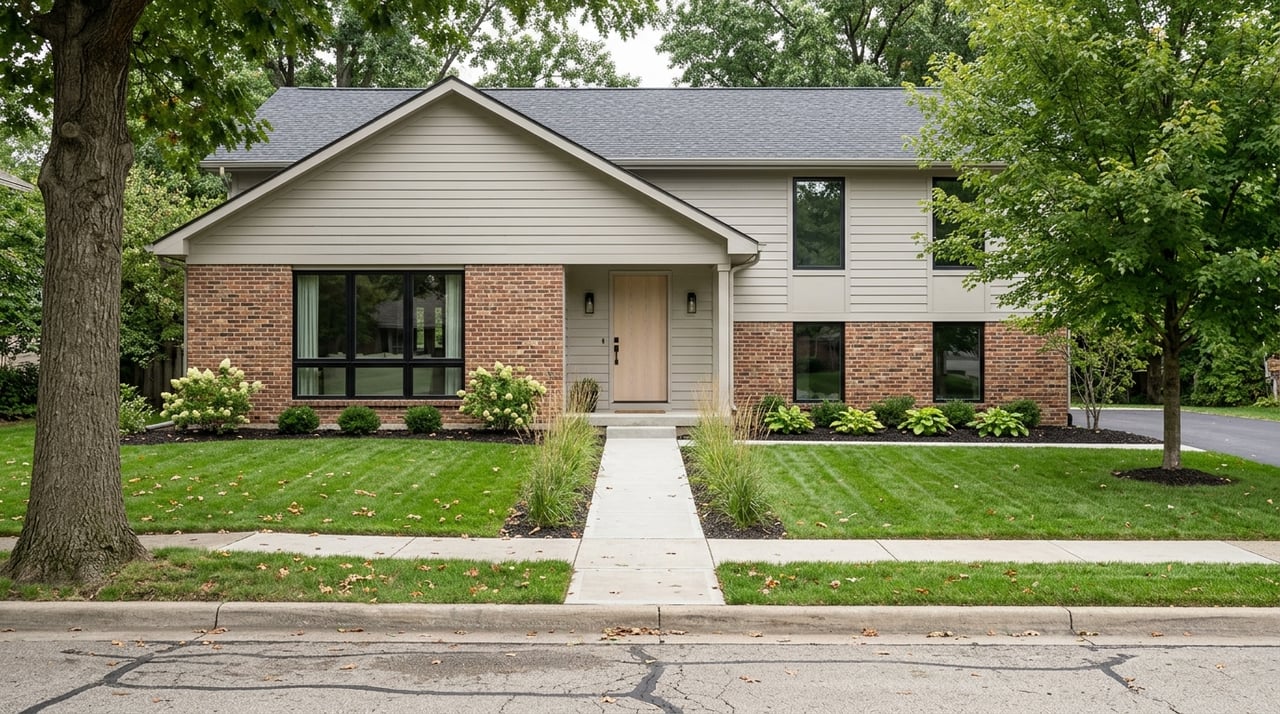
Choosing between an established neighborhood and a newer one in West Des Moines is not just about the age of the homes. It is about how you want to live day to day, what kind of setting feels right, and which tradeoffs matter most to you. If you are trying to sort through those options, this guide will help you compare the feel, features, and advantages of each so you can make a more confident move. Let’s dive in.
Why This Choice Matters in West Des Moines
West Des Moines has a long history and a fast-growing future. The city began as Valley Junction in 1893 and has grown into one of Iowa’s fastest-growing cities, with housing and neighborhoods playing a central role in its long-term planning.
That growth has created a housing mix with real variety. By 2016, 20.2% of homes were built from 2000 to 2009 and 8.2% were built in 2010 or later, while older homes still made up a large share of the market. Census QuickFacts lists the 2020 to 2024 median value of owner-occupied housing units at $309,000.
For buyers, that means you are not choosing between good and bad options. You are choosing between two different neighborhood experiences that can both work well, depending on your goals.
What Established Neighborhoods Offer
Established neighborhoods in West Des Moines often appeal to buyers who want a stronger sense of history, more visual variety, and a closer-in feel. These areas are shaped by decades of change rather than one coordinated buildout, so the streetscape often feels more layered and less uniform.
Historic Valley Junction is the clearest example. The city describes it as the original main street, with unique shops, vibrant events, and a walkable hometown feel. As of 2025, the historic district included 53 contributing historic properties.
That history also affects how the area grows. West Des Moines has a master plan intended to guide reinvestment in Valley Junction and help keep new construction and renovations aligned with the historic character of the neighborhood.
Common strengths of established areas
If you are drawn to older parts of West Des Moines, you may appreciate features like:
- More architectural and visual variety
- A more rooted, long-established neighborhood identity
- A walkable, closer-in setting in areas like Valley Junction
- Ongoing reinvestment that supports existing neighborhoods
Established neighborhoods can feel especially appealing if you want a location with personality and a setting that has evolved over time.
What to keep in mind
Older areas often come with ongoing maintenance and public reinvestment. The city continues retrofit work in and around older areas, including pavement repairs in Valley Junction, which is a helpful reminder that established neighborhoods may involve more upkeep, updates, or periodic infrastructure work nearby.
That does not make them less desirable. It simply means the value often comes from character, location, and identity rather than from everything feeling brand new.
What Newer Neighborhoods Offer
Newer neighborhoods in West Des Moines are largely concentrated in the west and southwest parts of the city. Areas around Jordan Creek, Grand Prairie Parkway, and EP True Parkway reflect much of the city’s recent and ongoing growth.
These neighborhoods often attract buyers who want newer construction, coordinated planning, and easier access to major shopping, recreation, and newer infrastructure. In many cases, the overall layout feels intentional because growth is happening through planned development.
The city’s current construction updates show how much infrastructure is being added alongside this growth. Planned development east of Grand Prairie Parkway is driving new EP True Parkway segments, Grand Avenue widening, and improvements that include watermain work, fiber conduit, and shared-use paths.
Common strengths of newer areas
Newer West Des Moines neighborhoods often appeal to buyers looking for:
- Newer homes and newer systems
- A more planned and consistent neighborhood layout
- Convenient access to regional shopping and services
- Recreation amenities close to newer growth areas
- Infrastructure that is expanding with development
Wild Rose Park, for example, serves one of the city’s most rapidly growing neighborhoods and sits just north of Jordan Creek Town Center. For many buyers, that kind of access is a big plus in daily life.
Why newer areas feel more uniform
West Des Moines uses a Planned Unit Development, or PUD, system that allows developers to group homes, shops, and offices into one coordinated plan with project-specific standards. That helps explain why newer neighborhoods often feel more standardized and cohesive.
This does not mean every new neighborhood looks the same. It means the design tends to follow a clearer plan, which can create a more predictable feel from one street to the next.
Lifestyle Differences to Consider
The biggest difference between established and new neighborhoods in West Des Moines is lifestyle. Each one offers a different package of convenience, atmosphere, and day-to-day rhythm.
Established areas usually lean toward character, walkability, and a tighter urban feel. Newer areas usually lean toward newer construction, coordinated planning, and quick access to large-scale recreation and shopping.
If you are deciding between the two, it helps to think beyond the house itself. Ask yourself what kind of environment you want around you when you leave your front door.
Established neighborhoods may fit you if you want
- More street character and visual variety
- A neighborhood with historic identity
- A walkable setting with local shops and events nearby
- A closer-in feel rather than a newer growth corridor
Newer neighborhoods may fit you if you want
- A newer home or new-construction options
- A more planned neighborhood layout
- Nearby retail anchors and large recreation amenities
- Easy access to expanding roads, paths, and utility infrastructure
Amenities Shape the Experience
Amenities are a major part of this decision in West Des Moines. Where you live can affect how easily you reach parks, shopping, events, and recreation.
In established areas, Valley Junction stands out for its original main street setting, local businesses, and community events. The appeal is often about atmosphere and neighborhood identity.
In newer growth areas, the draw is often access to larger regional destinations. The city highlights Jordan Creek Town Center, West Glen Town Center, Valley West Mall, and Historic Valley Junction as major retail anchors.
Recreation is another key factor. Raccoon River Park offers 631 acres, a 232-acre lake, a lake loop trail, and sports complexes. The RecPlex adds a 300,000-square-foot sports and events venue at 6500 Grand Avenue.
For some buyers, being near these larger amenities is a major advantage. For others, the feel of a historic, walkable district carries more weight.
How the City Supports Both Patterns
One of the most helpful things to know is that West Des Moines is not moving in only one direction. The city’s comprehensive plan supports both reinvestment in established areas and continued growth in newer ones.
The plan emphasizes everyday essentials near homes, complete live-work-play environments, and recreational amenities spread across neighborhoods. That means both established and newer neighborhoods fit into the city’s long-term vision.
This is good news for buyers. It suggests that whether you prefer historic character or newer planning, you are choosing a neighborhood style that has a meaningful place in West Des Moines’ future.
How to Decide What Fits You Best
If you are still torn, focus on how you want your home search to function in real life. A beautiful house in the wrong setting can feel less right than a solid home in a neighborhood that matches your routine.
Start with a few practical questions:
- Do you want charm and variation, or consistency and newer design?
- Do you care more about walkable character or newer infrastructure?
- Are shopping and regional recreation a top priority?
- Would you rather be in a historic area or a newer growth corridor?
- Are you open to older-home updates, or do you prefer newer construction from the start?
There is no universal best answer here. The right neighborhood is the one that lines up with your budget, your lifestyle, and the kind of daily experience you want in West Des Moines.
A Smart Way to Tour Both Options
If possible, tour both neighborhood types before making a decision. Walk or drive through an established area like Valley Junction, then compare that experience with newer areas near Jordan Creek, Grand Prairie Parkway, or EP True Parkway.
Pay attention to what stands out to you. Notice the streetscape, the pace, the nearby amenities, and how each area feels when you imagine everyday life there.
That side-by-side comparison often makes the answer clearer. What looks best online is not always what feels best in person.
If you are weighing established versus newer neighborhoods in West Des Moines, a local guide can help you narrow the options based on your lifestyle, goals, and comfort level with the tradeoffs. When you are ready to explore neighborhoods, compare homes, or talk through what fits best, connect with Lynn Harder.
FAQs
What is the difference between established and new neighborhoods in West Des Moines?
- Established neighborhoods usually offer more character, visual variety, and a closer-in feel, while newer neighborhoods often offer newer homes, coordinated planning, and easier access to major shopping and recreation.
Are newer neighborhoods mostly on the west side of West Des Moines?
- Yes. Recent growth is concentrated in the west and southwest, especially around Jordan Creek, Grand Prairie Parkway, and EP True Parkway.
Is Valley Junction considered an established neighborhood in West Des Moines?
- Yes. Historic Valley Junction is one of the clearest examples of an established neighborhood identity in West Des Moines, with a historic district and a walkable main street setting.
Do established West Des Moines neighborhoods have more variation?
- Yes. Based on the city’s historic context and reinvestment patterns, established areas often have more visual variety, while newer planned neighborhoods often feel more standardized.
Why do newer West Des Moines neighborhoods feel more planned?
- West Des Moines uses Planned Unit Developments that allow coordinated planning for homes, shops, and offices with project-specific standards, which often creates a more consistent neighborhood feel.
What amenities stand out near newer West Des Moines neighborhoods?
- Buyers often look at access to places like Jordan Creek Town Center, Wild Rose Park, Raccoon River Park, and the RecPlex when comparing newer neighborhood locations.